I used to think getting in and out of the shower and getting in and out of the car was a workout.
Then I got a pool.
Now getting in and out of the pool is probably the biggest workout of my day.
That’s probably the simplest way I can explain aging with a physical disability.
People talk about aging all the time. They complain about sore backs, aching knees, reading glasses, and making noises every time they stand up. I used to listen to those conversations and wonder what aging would feel like for me. In the back of my mind, I knew my turn was coming. What I didn’t realize was that I would spend years feeling as though my body was older than the age listed on my driver’s license.
I was born with Osteogenesis Imperfecta. By the age of twelve, I had fractured more bones than I could count. Then, except for a fracture at twenty-two when I fell out of an elevator at the University of Miami, life became surprisingly stable. I was still disabled. I still used a wheelchair. But I was living my life.
Transferring from my wheelchair to the floor was easy. I could spin around and dance, stay out with friends until sunrise, and not spend the next three days recovering from it. Back then, I wasn’t thinking much about aging. I was busy living.
Even so, I always suspected aging would arrive a little earlier for me than it might for someone without a disability. When I was thirty, I often felt like my body belonged to someone in their forties. When I reached my forties, there were days I felt closer to someone in their fifties or sixties. Years of fractures, scoliosis, transfers, osteoporosis, and simply navigating the world in a wheelchair have a way of leaving their mark.
Knowing something is coming and seeing it arrive are two different things.
The Bathtub, the Shower Chair, and a Change I Didn’t Expect
Looking back, I think the bathtub was one of the first clues.
In my late thirties or early forties, I injured my right leg. At first, I struggled getting in and out of the bathtub. I assumed things would improve. Bodies heal. That’s what they do.
Except this time they didn’t.
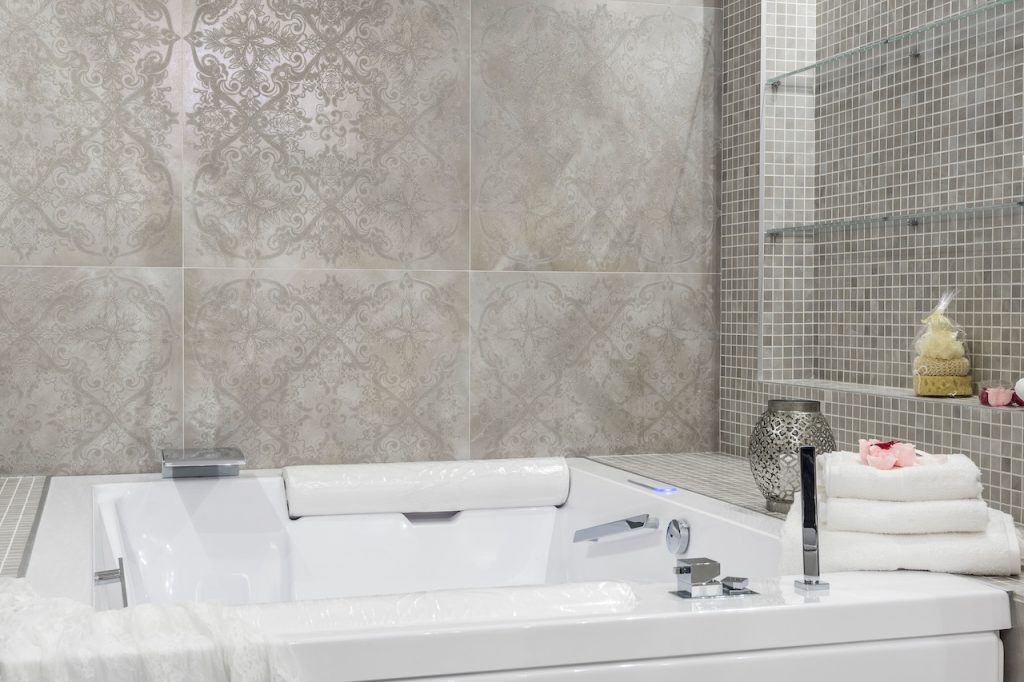
I loved taking baths. The warm water relaxed my scoliosis. It gave my body a chance to settle down after a long day. For a little while, everything hurt less.
Then I realized something I didn’t want to admit.
My leg was never going to help me get from the bottom of the tub to the edge of the tub again so I could transfer back into my wheelchair. No dramatic moment. No tears. No grand announcement. Just a quiet realization that the rules had changed.
That realization led to a shower chair.
To most people, a shower chair probably doesn’t sound like a big deal. To me, it was the first piece of medical equipment I had ever needed besides my wheelchair. My wheelchair belonged to the disability I had always known. The shower chair belonged to aging. That distinction mattered.
When a Fracture Teaches You Something New
Last June, I fractured something around my shoulder blade. The injury took an entire year to heal.
A year.
Even now, I am not as strong in that area as I used to be. Sometimes I still feel a tug, and for a split second I wonder if something is wrong. The fracture may have healed, but my confidence in that shoulder is still a work in progress.
When I was younger, a fracture felt temporary. You healed and moved on. This one taught me something different — sometimes recovery isn’t about getting back to where you were. Sometimes it’s about figuring out where you are now.
A lesson I didn’t particularly want. Apparently life had other plans.
My Body and My Spirit Are Having Different Conversations
The easiest way I can explain aging is this: my spirit is younger than my body. By a lot.
My spirit still comes up with plans that sound perfectly reasonable until my body enters the conversation. My spirit wants to travel, explore, meet interesting people, stay out longer, and say yes to adventures. My body would like advance notice, a recovery day, and perhaps a written proposal.
The funny thing is that my mind usually sides with my spirit. That creates some interesting negotiations.
I don’t spend much time wishing I were younger. I spend more time figuring out how to continue doing the things I enjoy without pretending my body hasn’t changed. That, for me, is the real challenge of aging.
Healthy Living Looks Different Than It Used To
When people hear the phrase “healthy lifestyle,” they often picture exercise programs, meal plans, and vitamins. Those things matter. But healthy living looks very different to me today than it did thirty years ago.
These days, healthy living means understanding my energy. Morning is my best time — that’s when I make phone calls, schedule meetings, write, socialize, and handle anything that requires my full attention. By afternoon, my body starts renegotiating the agreement.
I also know that I cannot spend more than about twelve hours in my wheelchair without paying for it later. Experience has taught me that lesson more than once.
Healthy living isn’t just about staying active. Sometimes it’s about knowing when to stop. Sometimes it’s about protecting what you have.
Like Ants Preparing for Winter
There are people who think that because I spend more time at home these days, I must not be doing very much. That always makes me smile.
The truth is that I am often like ants preparing for winter. Writing articles, managing Audacity Magazine, answering emails, organizing projects, paying bills, making plans, handling the thousand little responsibilities that come with life. What some people see as inactivity is often preparation.
If I take care of things while my energy is strong, tomorrow becomes much easier. That isn’t giving up. That’s knowing how to play the long game.
Learning to Accept Help
One of the hardest lessons has been learning that accepting help is not the same thing as losing independence.
At work, students sometimes open doors for me. Years ago, I would have insisted on opening every one of those doors myself. Now I smile, say thank you, and keep moving. Not because I can’t open a door — because I’ve learned that not every task deserves the same amount of energy.
There was a time when I thought independence meant doing everything myself. Now I think independence means managing my life well. Turns out those are two very different things.
My Home Is a Sanctuary
Some people assume that spending more time at home means you’ve somehow stopped living. Nothing could be further from the truth.
My home is not a prison. It’s where I recharge, recover, and prepare for whatever comes next. I still socialize, video chat with friends, have people over, travel, and keep looking for new experiences.
The goal was never to stay home and cry about the changes in my body. The goal was to figure out how to keep enjoying my life while adapting to those changes. That’s what I’ve done.
What Aging Has Given Me
If you had asked me at thirty what aging with a physical disability would look like, I probably would have focused on everything I might lose. What I didn’t understand was how much I would gain.
Paying attention to my body. Protecting my energy. Asking for help when I need it. Understanding that adaptation is not surrender — and that some people will get it and some people won’t. Either way, it’s not my problem to solve.
At fifty-six, my body and my spirit are clearly operating on different timelines. My body likes reminders, recovery time, and careful planning. My spirit still thinks almost anything is possible.
Honestly, I hope that never changes.
As long as there are places to visit, stories to tell, people to meet, and new experiences waiting around the corner, I’m going to keep adapting. My body may be aging faster than my spirit.
But they’re still traveling through life together.
How’s your aging journey going? I’d love to know. You can leave a comment or email me. Nathasha@audacitymagazine.com
Read Tony Jacobsen’s article about being healthy with a disability. https://www.audacitymagazine.com/disabled-and-healthy/ Read here.
Be sure you’ve subscribed to my weekly newsletter. Click here.
After you’ve finished all 600 plus articles on this site, you can find yourself craving more. Here is my Substack account. Click here.
Believe it or note, I drink coffee. It’s also a great way to say, “Thanks, Nathasha for your work!” Buy me a coffee link is here. COFFEE