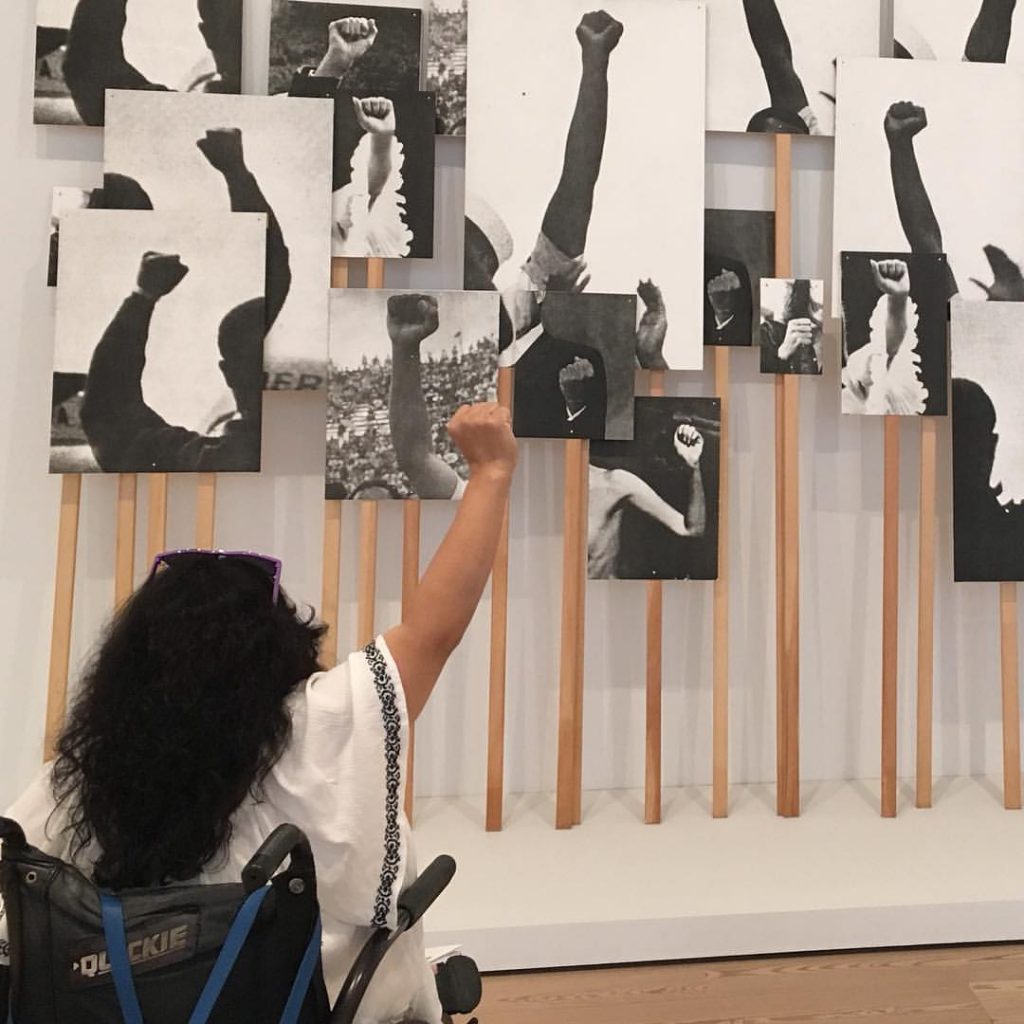
Being a woman was enough.
My mother made that possible. She never raised me to believe that disability placed me in a separate category from other women. Their battles did not have to look like mine for me to care about them, learn from them, or see myself standing beside them.
Gloria Steinem was not the first woman to fight for women’s equality. Women resisted injustice long before she was born, including women whose names never appeared in a magazine or history book. Yet Gloria became the woman many of us embraced as the face of modern feminism. She brought attention to issues women had been discussing among themselves and helped move those conversations into the wider culture.
The disabled community is embracing Judy Heumann the same way.
Judy was not the first disabled person to protest discrimination or demand a place in society. The disability rights movement did not begin with one person, just as the women’s movement did not begin with Gloria. Countless disabled people fought from institutions, homes, schools, sidewalks, offices, and government buildings. Some organized in the open. Others fought by refusing to disappear.
Yet Judy became the person many of us recognize. We see her face, hear her voice, share her words, and point to her when someone asks us to name a leader of the disability rights movement.
Judy died in 2023. Now Gloria is gone too.
That leaves those of us who claim them with a responsibility.
We cannot honor women like Gloria Steinem and Judy Heumann only by missing them. We cannot post their photographs, praise their courage, and then continue with our lives as if their deaths closed the book on the causes they represented.
They did not do all that work so the rest of us could become spectators.
The upcoming movie Being Heumann will bring Judy’s story to people who may never have heard her name. Ruth Madeley, an actress who uses a wheelchair, plays Judy, and other disabled actors appear throughout the film. That matters. For once, Hollywood is not telling an important part of disability history while leaving disabled performers outside the door.
I am excited about that. I want the movie to succeed. I want people to watch it, discuss it, and understand that many of the rights disabled people have today came from protests, sacrifice, strategy, and people who refused to leave when those in power wanted them to go home.
But a movie cannot become the only way we honor Judy.
What happens after we watch it?
Do we challenge inaccessibility when it does not affect us? Do we support disabled advocates while they are alive, or do we wait until they die to declare them icons? Do we show up when another disabled person needs support? Do we make room for new leaders, including people who may not be famous, polished, or easy to like?
Judy was forceful because waiting had not worked. Gloria also understood that change required more than asking those in power to become considerate. Neither woman built a legacy by trying to keep everyone comfortable.
If we claim to admire them, our actions should reveal it.
For me, that may mean continuing to speak through Audacity Magazine, even when it would be easier to remain quiet. For someone else, it may mean confronting an inaccessible business, attending a meeting, contacting an elected official, supporting another disabled person, or refusing to accept discrimination disguised as policy.
The action does not have to make history. Most of us will never lead a movement or star in a movie about our lives. We can still decide what we will tolerate, what we will challenge, and whether we will help the person fighting beside us.
My mother acted when she demanded the education, medical care, and opportunities I deserved. I acted when I joined NOW and participated in a demonstration at the University of Miami.
None of us stood alone. We inherited something from women who came before us, and we added our own voices to it.
That is how I want to honor Gloria Steinem. That is how the disabled community can honor Judy Heumann.
Not by pretending either woman started the fight. Not by turning either one into a saint. Not by assuming someone else will replace her and tell us what to do next.
We honor them by continuing.
Gloria and Judy are gone. The causes they carried are still ours to carry.
What we do next will say more about how much we valued them than anything we post after their deaths.
But hey, that’s just my bellybutton.
P.S. After writing this, I discovered that Gloria Steinem and Judy Heumann recorded a conversation together only weeks before Judy died, making the connection between their legacies even more powerful.
I also honored Gloria Steinem through a personal reflection on my Latina Diva on Wheels Substack, where I write about disability, womanhood, identity, and the experiences that shaped me.
Stay Audacious
Want more honest conversations that place disabled people at the center of our own stories? Subscribe to the Audacious Newsletter and join readers who expect more than inspiration and pity.
If this article made you think, laugh, question, or feel seen, you can also buy me a coffee. Every cup helps me continue the work I started more than 23 years ago with Audacity Magazine.